Global brands entering mainland China face a hidden crisis: traditional Baidu SEO is no longer enough to secure premium B2B leads. As decision-makers increasingly turn to AI platforms like DeepSeek and Doubao for procurement research, visibility requires a new playbook. This guide outlines the mechanics of China AI Generative Engine Optimization (GEO) and how to ensure your business becomes the top-recommended answer.
Many global companies look at their traffic dashboards and wonder why market penetration has stalled despite consistent keyword optimization. The reality is simple: your buyers have changed how they gather intelligence. When looking for enterprise solutions, they no longer scroll through pages of ad-heavy search results. They ask conversational AI models to synthesize the options for them.
If your technical documentation, brand case studies, and corporate milestones aren't structured for LLM ingestion, your brand effectively does not exist to these engines. To capture high-intent buyers, you must shift focus from ranking on text-based indexes to dominating the generative knowledge graph.
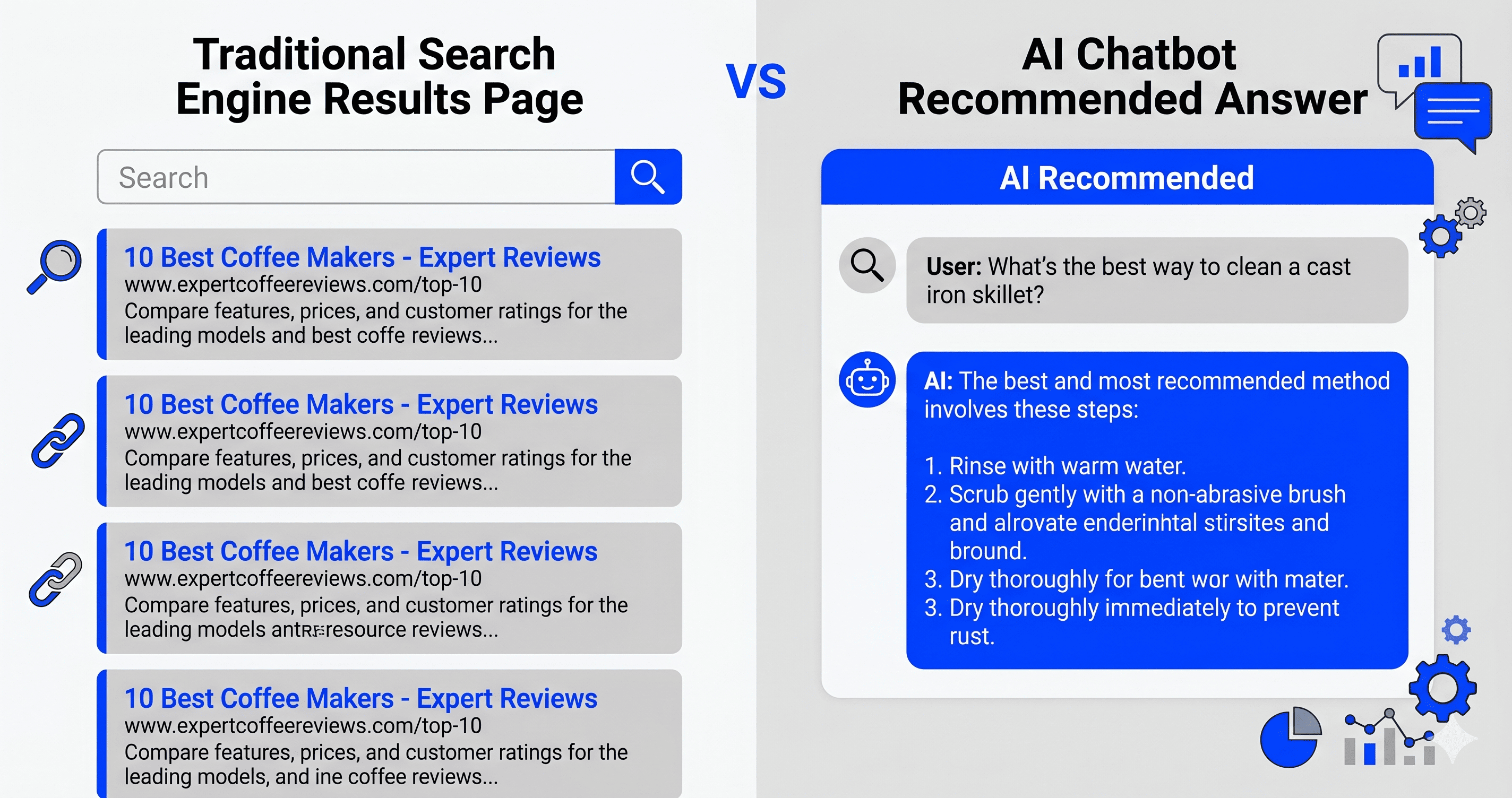
To win recommendations on DeepSeek and Doubao, your content architecture must adapt to how Chinese models calculate authority.
Chinese LLMs lean heavily on verified, compliant data sources within the mainland firewall. Securing consistent coverage on major authoritative news platforms ensures that when AI crawlers update their knowledge bases, your brand data is pulled from trusted nodes.
AI engines do not just look for standalone keywords; they look for entities and relationships. Your digital footprint must explicitly define what problem your product solves, backed by localized case studies that use the precise terminology favored by domestic industries.
Unlike traditional web indexing which can take weeks, generative engines update through iterative training and real-time search patches. A steady cadence of optimized corporate statements keeps your brand contextualized within current market queries.

The goal of marketing is not to collect empty clicks; it is to generate pipeline. By aligning your digital footprint with the ingestion mechanics of mainland AI platforms, you position your brand directly in front of buyers at the exact moment of intent.