
Many international marketing executives dismiss Xiaohongshu (RED) as a consumer-only platform dedicated to lifestyle trends. This is a severe strategic oversight. In 2026, Mainland China's B2B buying behavior has changed. R&D engineers, tech leads, and procurement executives are actively using Xiaohongshu as a decentralized search engine to solve complex operational bottlenecks. This article details how global business-to-business firms can utilize "Trust Transfer Theory" to convert high-value knowledge content into qualified corporate leads.
The reason most international enterprises fail on Xiaohongshu is straightforward: they treat it like an online corporate archive. Uploading institutional press releases, generic corporate event photos, or dry product spec sheets yields zero engagement on an algorithm optimized for human relevance.
Enterprise decision-makers do not browse social platforms to read promotional brochures. They log on to solve specific, frustrating work problems—such as unexpected equipment failures, regulatory compliance updates, or supply chain disruptions. To capture their attention, your digital presence must shift from corporate institutionalism to humanized technical expertise.
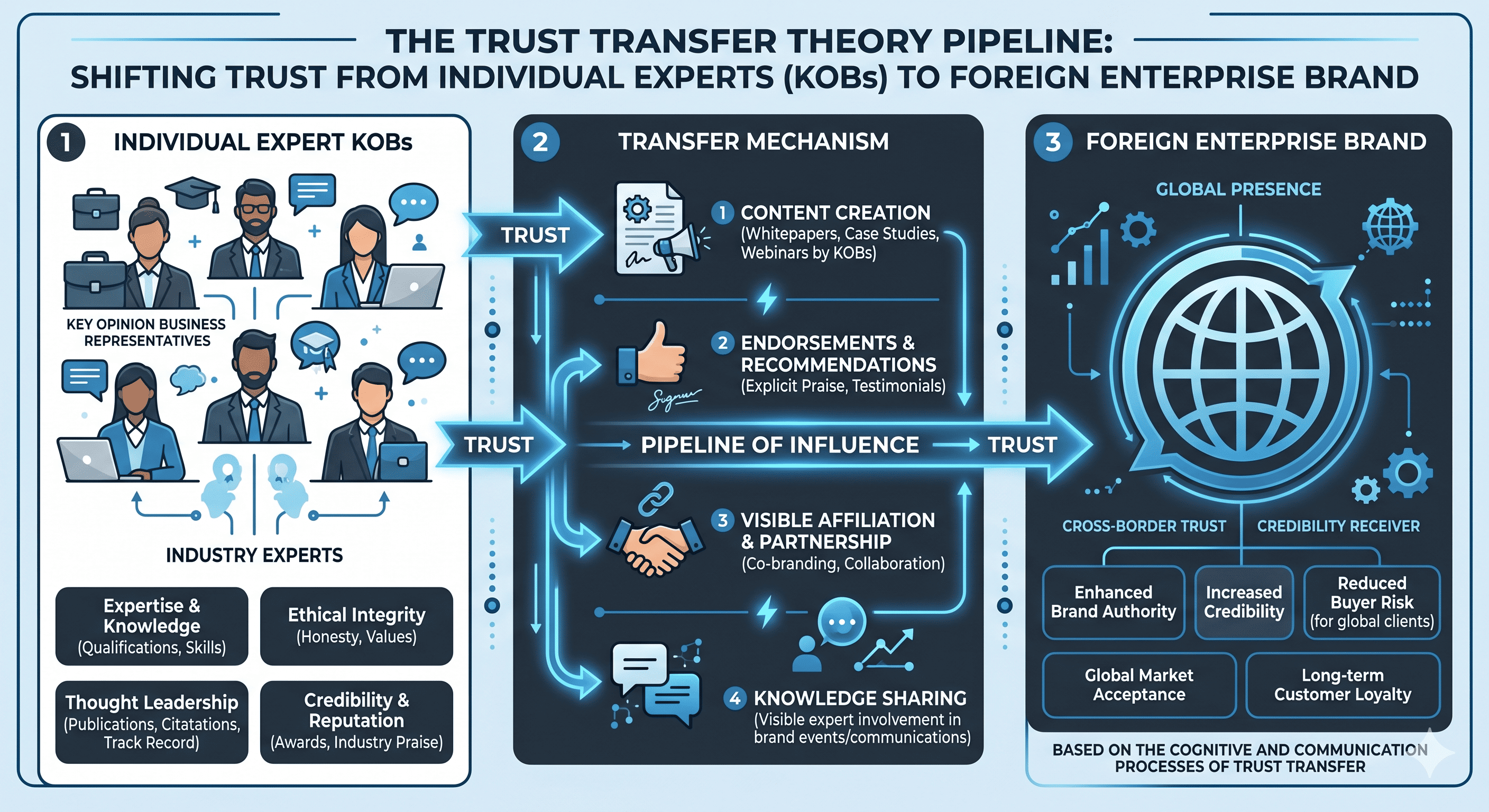
Trust Transfer Theory states that an audience’s trust can be systematically transferred from a known, trusted entity to an unfamiliar entity if a strong contextual relationship is established.
On Xiaohongshu, this manifests through a structured three-tier framework:
To transition your brand from an invisible corporate entity to an industry reference point on Xiaohongshu, implement this three-part deployment framework.

Instead of publishing solely through your official brand account, activate your internal technical experts. Create profiles for your "Lead Materials Scientist" or "Senior Compliance Auditor."
The platform’s algorithm favors authentic human experiences. Content must be structured as clear, actionable work diaries or expert notes rather than polished marketing copy.
Unlike complex B2B pipelines that require months of cold outreach, Xiaohongshu allows for immediate micro-conversions through its native private messaging ecosystem.
The B2B segment on Xiaohongshu represents a significant marketing opportunity with low competitive density. By executing a strategy rooted in psychological trust transfer, your business bypasses traditional gatekeepers and establishes direct authority with technical decision-makers.